
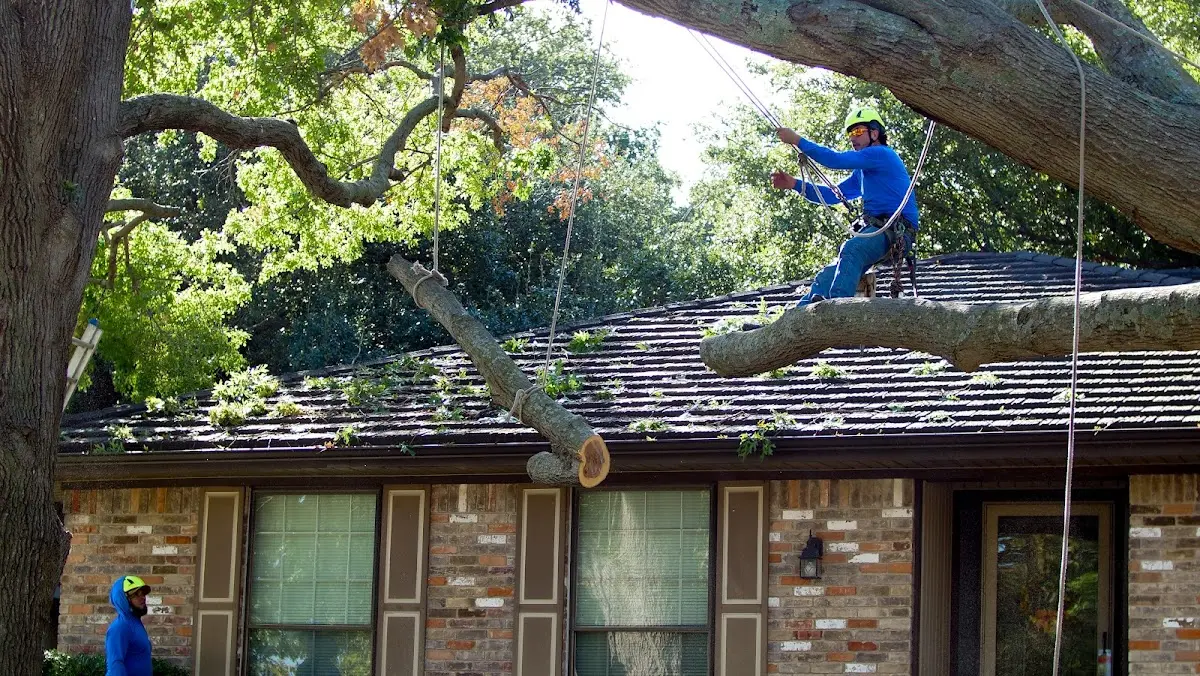
Professional dead tree removal for homes and businesses in New York and surrounding New York communities.
Specialized dead tree removal for New York property owners. B. Haney and Sons Arborists understands that deadwood is brittle, unpredictable, and often hollow — meaning standard climbing and rigging techniques can be unsafe. We use crane assistance, advanced rigging, and ground-up assessment to bring dead trees down safely without surprises.
Whether you own a single-family home or manage a commercial property in New York, professional dead tree removal is essential for keeping your trees healthy, your property safe, and your insurance liability low. B. Haney and Sons Arborists has completed thousands of dead tree removal projects across New York, and our New York customers benefit from that depth of arborist experience on every job.
We understand that dead tree removal can feel uncertain when you are not a tree expert yourself. That is why B. Haney and Sons Arborists makes the process simple for New York property owners — free written estimates, transparent pricing, full insurance coverage, complete cleanup, and a dedicated crew leader from start to finish. Your satisfaction with the work is our standard.
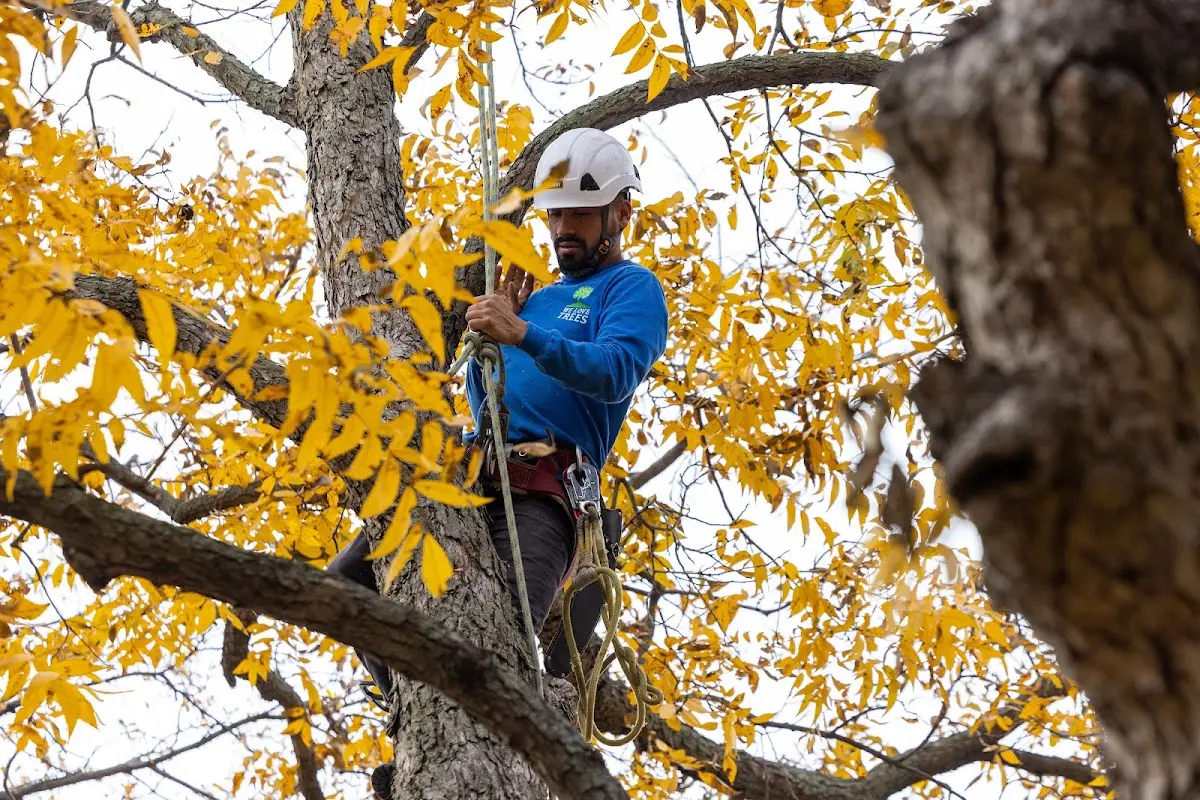
A clear, professional approach to dead tree removal — tailored to your New York property.
B. Haney and Sons Arborists begins every dead tree removal project with an on-site assessment. We walk the property with you, evaluate every tree involved, and discuss the recommended approach for your New York, NY project.
Our New York crew sends you a written estimate that itemizes everything — labor, equipment, debris removal, stump grinding if requested. Approve it and we schedule the work around your calendar.
Our crew arrives on schedule with the right equipment, follows ANSI Z133 safety standards, and executes the work with proper rigging and tree-care science.
B. Haney and Sons Arborists finishes every dead tree removal job in New York with thorough cleanup. We rake the work area, sweep walks and driveways, and leave the site looking better than when we arrived. Final walkthrough always included.
Answers to frequently asked dead tree removal questions from New York property owners.
The cost of dead tree removal in New York depends on tree size, species, access, equipment required, and whether stump removal is included. B. Haney and Sons Arborists provides free written estimates with transparent pricing so you know exactly what to expect before any work begins. We work in a wide range of budgets and never quote blind.
Yes. B. Haney and Sons Arborists provides free, no-obligation arborist assessments for all dead tree removal projects in New York and surrounding New York communities. We walk the property, evaluate the work needed, and provide a written estimate within 24 to 48 hours of the visit.
Yes. B. Haney and Sons Arborists carries full general liability and workers compensation insurance for all dead tree removal work in New York. Tree work is high-risk and uninsured contractors expose property owners to serious financial liability. We provide certificates of insurance on request before any job starts.
Most dead tree removal jobs in New York, NY are completed in a single day, with cleanup finished by close of business. Larger or more complex projects involving cranes, multiple trees, or specialized equipment may take 2 to 3 days. We provide a clear timeline during the estimate.
Our reputation is built on results. Here is what our customers have to say.
"Called B. Haney and Sons after our usual tree guy retired. Their arborist walked the property, gave honest assessments on what needed work and what could wait, and quoted a fair price. The crew was old-school professional. Real arborist company, not a guy with a chainsaw."
"Hazardous tree removal on a leaning oak threatening our house. Crew arrived on time with proper equipment, rigged everything down in sections, and the property was completely safe the entire time. Great communication from quote through cleanup."
"Tree planting service was excellent. The arborist helped us pick species that would thrive in our soil and climate, and the planting itself was done with proper depth, root ball preparation, and staking. All five trees are doing great two seasons later."